Did you ever imagine that this is how your descendant would turn out to be?


Dear Mother
Childbirth is a risky business at the best of times but it was even riskier when you were alive in Victorian England. No one ever shared much information about you but I gleaned that you died after my birth and became another statistic. Sadly, it was not an uncommon fate. Plenty of folk become statistics thanks to pandemics, earthquakes tsunami’s etc. One in every 200 women died during or after childbirth at this time and your chances of surviving were reduced because you gave birth in the lying-in-hospital where you worked as a cleaner in exchange for maternal services. The death rate in these places was higher than anywhere else.
As for what became of me! Read any books by Victorian authors who portray orphans as respectable but troubled heroes and heroines and you will get a jaundiced view of what life was like for a girl like me. I lived in the Orphanage, which I suspect now houses fancy apartments, until I was old enough to be sent out to work. Nutrition standards in the old joint were despicably low and we were not only subjected to excessive corporeal punishment but fought amongst each other. Thanks to the neglect and poor conditions we barely survived.
So, there was nothing heroic about the life I led as a child. It was a matter of, as Mr Darwin might posit, survival of the fittest. There was no thriving in this environment. Unsurprisingly there were many times when I thought I would be better dead, but death wasn’t having any of it, wasn’t inclined to be helpful. It is a bit of an arsehole like that. I got to go on living and was given a basic education for the purpose of being a seamstress in an industry that perpetuated the hardship and deprivation I was most familiar with.
The journalist and reformer, Henry Mayhew, who interviewed many ‘slopworkers’, who like me were engaged in a form of sweated labour, wrote that if he hadn’t met women like me, he would not have believed there were human beings toiling so long and gaining so little and starving.
Three guesses mother! This environment was a breeding ground for what some loosely describe as ‘fallenness’. As I sense you well know, the three most common professions that led to prostitution were factory workers, seamstresses and servants. Living in a world infested with corruption and rape, a world where there were literally too many of us, the only way I could stave off starvation was to sell my body. The stench of stale, fish smelling semen, the memory of the violence, certainly left an indelible imprint on my psyche.
I doubt that when you briefly held me in your arms, before dying from eclampsia shortly afterwards, that you thought things would go well for us. However, it is unlikely that you could have imagined my life path.
I won’t pretend I thought of you when I stood in court at the Old Bailey, charged with feloniously stealing an umbrella from one of the nobilities who liked to frequent the parlours of disreputable women like me. The irony of being transported to Australia for this particular ‘crime’ never escaped me. It was generally held that the women who were transported were incorrigible prostitutes, unmarriag-eable reprobates, sweepings from the floors of Newgate prison, a blight, a stain on society. Thankfully, this belief has long since been debunked. In fact, the majority of these women had done little to deserve such a fate. Approximately 25,000 of these convicts had been charged with petty crimes such as stealing bread to eat. Seriously! What kind of justice is that?
I cannot deny it. I could have been charged and found guilty for being totally disreputable reprobate, but instead I only had to answer for stealing a fancy umbrella from a rich, corrupt, monstrous prick.

It didn’t faze me when I was scuttled off to the hulk that was to transport us to the Colony. A complete list of convict names and sufficient biographical data that has survived enables unambiguous identification of the convicts who were disembarked from convict ship “Aurora (2)” at Van Diemen’s Land on 1851-08-10. I am named on this list. Well! The name I left with is listed, but like so many others, I had good cause to change that.
Bear in mind that I had never been in so much as a row boat before I boarded this decidedly dilapidated hulk. Needless to say, the excitement of leaving old England and heading to a new place wore off almost immediately. If you read the journal, as kept by the Surgeon General, you could be forgiven for thinking that, thanks to strict rules and stringent daily routines, life for the 232 of us fallen women was idyllic by comparison to the lives that had destined us to be travelling on this floating hell.
Be disabused of any such notion! It was a long, trying, tempestuous journey for everyone on board. For all my fearlessness this journey is up there as the most challenging thing I have ever faced. Harrowing? Horrendous? An inhumane alternative to the death penalty? Some kind of ‘wicked Noah’s Ark’! It is hard to find words to describe the six months we were on board this mobile petri dish. The poor sanitation and cramped conditions meant that infection could spread like wild fire. Diseases such as Cholera, Dysentery and Typhus were rife.
A clue to the reality of life lies in the surgeon’s reference, in his report for ‘Her Majesty’. He remarks that those in charge had to contend with ‘such a species of the human race’. Forcing a dense mass of damaged human beings to congregate in a life threatening situation certainly did not draw out the majorities finer qualities.
‘Selling’ sex for survival on board this ship from hell was, given my past, clearly a no brainer for me. Earning extra rations, favours of all kinds and information was, quite simply, transactional. Clearly this did not make my life either glamorous or full of glitz. We were on a prison hulk for goodness’s sake. It was a matter of survival! And besides! Rather than dealing with a bunch of common jerks in good old London town, many of whom had to be bludgeoned by my dole bludger to pay up, this was all relatively civilised. If I say so myself, I was savvy, though some might say rat cunning. I saved my favours for those in charge, those who might help me gain a footing when I arrived in the colony, those who didn’t need word to get back that they had been serviced by one of the women prisoners. A bonus was that I received enough in return and was able to share rations with Mary Ann, the young teenage woman I befriended who had been sentenced for minor offences.
Don’t you or anyone who happens upon this letter dare pass judgement on me. Few know what they will do if pushed into a corner by the cruel hand of fate. There is no doubt that, unlike so many of the other women on board, both Mary Ann and I benefited from my actions. We were not subjected to random punishments by the superintendent or overseer of the vessel. We were protected from the inevitable devilish quarrelling, fighting, thieving and general destruction of personal property that was rife on board. We did not live in fear of head shaving; handcuffing; use of the “straight waistcoat”; or of being put on the ‘black list’ for dirty work. Our supply wine and sherbet (1 oz. lime juice and 1oz sugar mixed with water) was always allocated and so, after the ship ran out of fresh fruit and vegetables we had some protection from the dreaded scurvy.
Not surprisingly, the stories of our journey have been successfully suppressed in favour of romantic notions of a culture of mateship, that existed amongst white European ‘blokes’. White male poets like Henry Lawson waxed so lyrically that mateship has become a cultural idiom embodying equality, loyalty and friendship.
Put simply, mateship remains, to this day, a ‘blokey’ term that is derived from the word mate or friend. It has become such an intrinsic part of Australian society that it is routinely touted as an important national value. For the most part the term excludes women and members of other races, especially the people whose land the mates collectively stole.
I allude to this concept because it is hard to find words to describe my deep friendship with Mary Ann. It began quite simply. We quickly regarded one another as mates. Our friendship ran deeper than what Lawson wrote about. This is hardly surprising given that we were thrown together in a life threatening environment that could well provide a scene for a dystopian series such as ‘The Last of Us’.
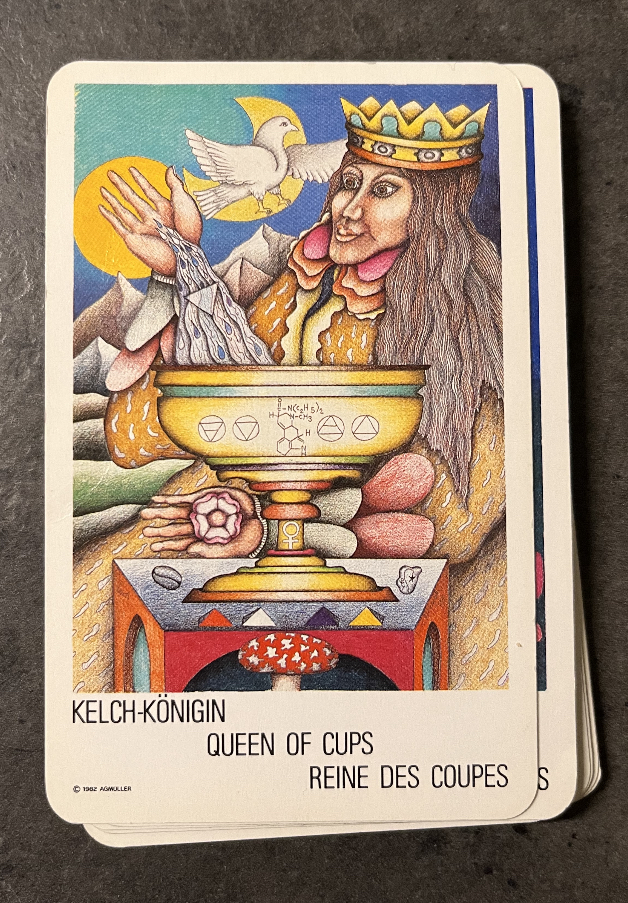
Both Mary Ann and I had seen the worst of humanity. We had both been forced to contend with the true sweepings of society and were, quite frankly, malnourished for love. Vulnerable! Reluctant to trust we were like those neglected dogs you read about. Never having known love our connection was not instantaneous, but over the six months on board we gained comfort from a deeply intimate relationship. We were lovers in the truest sense of the word, attending to one another’s personal needs. Mary Ann was my first and only true love, she was my Queen of Cups.
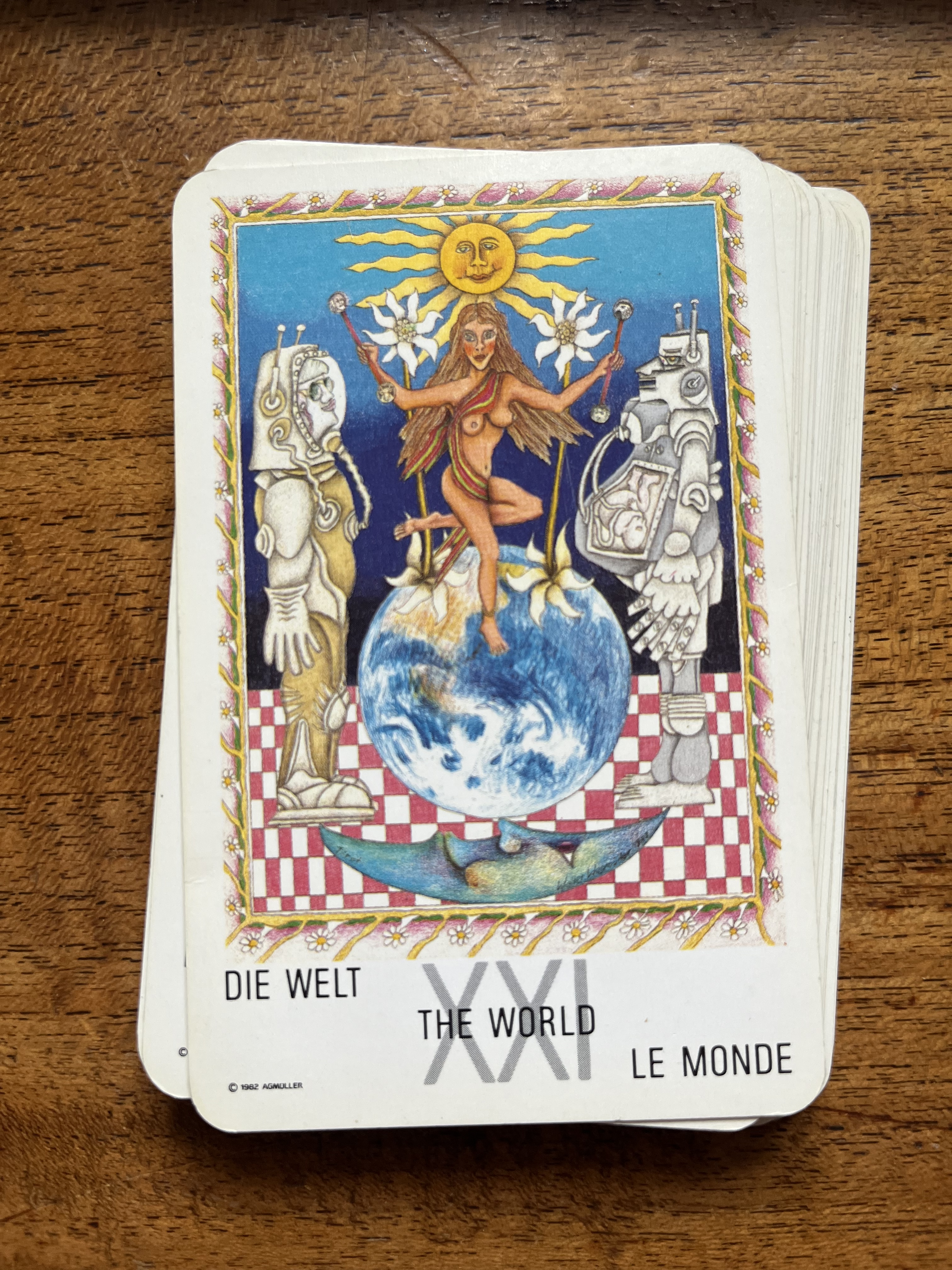
Upon arriving in Van Dieman’s Land our hearts sank. It is still hard to conceive that as we disembarked at Battery Point in old Hobart Town that the world was actually ‘our oyster’. You might be surprised that a woman of my low class could know that ‘the world is my oyster’ first found expression in a Shakespearean play. Perhaps the explanation is that I was a literature teacher, or Don at Oxford in another life, but lets not digress and speculate.
For so many of the women who had made this fateful journey any illusions that their lives might improve seemed to be wiped away as they were scuttled off to the now infamous Cascades Female Factory. Much has been written about this damp distillery come prison. But, like me and Mary Ann, they had survived a living hell and would live to fight another day. Despite the cruel deprivations and hardship, despite having to come to terms with being exiled for life, the majority of that scruffy, unkempt group ultimately triumphed. These so-called sweepings of Newgate Prison were in fact extraordinary women, most of whom went on to be loving mothers and grandmothers who helped build the new life they had held candles for.
Mary Ann and I had forged an unbreakable friendship that had enabled us to survive the long sea journey but as soon as we moored, we took different pathways. Mary Ann went to another prison on the island. Word eventually reached me that she served her seven years, married another ‘felon’ and moved with him to a different part of Victoria. They changed their name, removed the stain of their past and went on to raise a substantial family and become upstanding members of their community.
The overseer on board our vessel was heady with wild stories about the hordes of gold being found in the Mount Alexander region and he was a very shrewd operator. Not one to engage in physically draining, outdoor, shovel and pick type of work he figured that where there were miners there were men with sexual urges to be satisfied. He knew that there was more than enough gold to be taken from them as they celebrated their new found fortunes. Because of my transactions I was smuggled away to the Gold Fields by a man who had a vision of making easy money. He fabricated a plan for me to dress as a man and leave with him. He dreamed of making money by setting up a tent and providing ‘services’ for all the blokes gathered there.
Pull up your browser and do a spot check to find out how common it was for women to disguise themselves as men and you will discover that the earliest story was of Epipole who joined the Greek army in disguise. She is purported to have fought in the Trojan War on the Greek side. When Palamedes discovered her ruse, he had her stoned to death. Of course, this story, unlike that of Joan. of Arc, was a mythical tale.
But I am digressing again! Considering my only other option was to join the bedraggled group headed for the prison factory I didn’t protest. I was savvy enough to know that I would not be his meal ticket for very long, that unlike others I wouldn’t be serving seven years in a formal prison. I preferred to be doing what I was good at and filling my purse in the process.
Of course, I was under no illusion about who I would be servicing but as I say, I had my own five-year plan which did not involve digging for gold in the usual way. I was clearly an earlier advocate than Shakti Gawain of the power of creative visualisation.
Our initial euphoria upon arriving in what is heralded as ‘Marvellous Melbourne’ was short lived. It was more like ‘Smelbourne’ thanks to the milling mass of the great unwashed. We quickly learned that there were no roads that would take us to the gold fields. Unless you could hitch a ride with a wagon drawn by bullocks the alternative was to walk with a wheelbarrow filled with a few possessions. And then there were the horror stories of short supplies of fresh food and clean water and that sewerage was not being disposed in any sanitary way.
The wild seas and cramped cattle truck style conditions on the hulk had been hard enough to endure but the prospect of trudging across an alien landscape in intense heat and being assaulted by all sorts of unfamiliar insects and crawling things was very daunting.
Against all the odds we found our way to what is now known as Castlemaine. The irony is that this is where I now, as a disembodied skeleton, live in relative luxury. Needless to say it looked very different in the 1850’s but I will spare you all those details.
A number of historians have suggested that the imbalance of sexes in the colony during those early days of the gold rush was a catalyst for an increase in prostitution. How observant of them! You don’t need to be an intellectual with letters after your name to discern that the large numbers of unattached men stimulated a demand for such services. You only have to be a fan of television series such as ‘Deadwood’ and ‘Westworld’ to figure this out.
They say that you can run but things rarely change because you bring all sorts of baggage with you. Given that this was a British penal colony it was inevitable that all the associated systems of ‘law’ were employed to control ‘the rabble’. Not surprisingly, it was very rough justice that was dispensed by people who were more criminally inclined than the average Joe.
Miners could, seemingly, plant their dirty seeds in anything available while Castlemaine court records reveal that prostitutes who plied their trade to the ‘better off mandarins’ were jailed and categorised as only being slightly more degenerate than those who serviced the poorer Chinese.
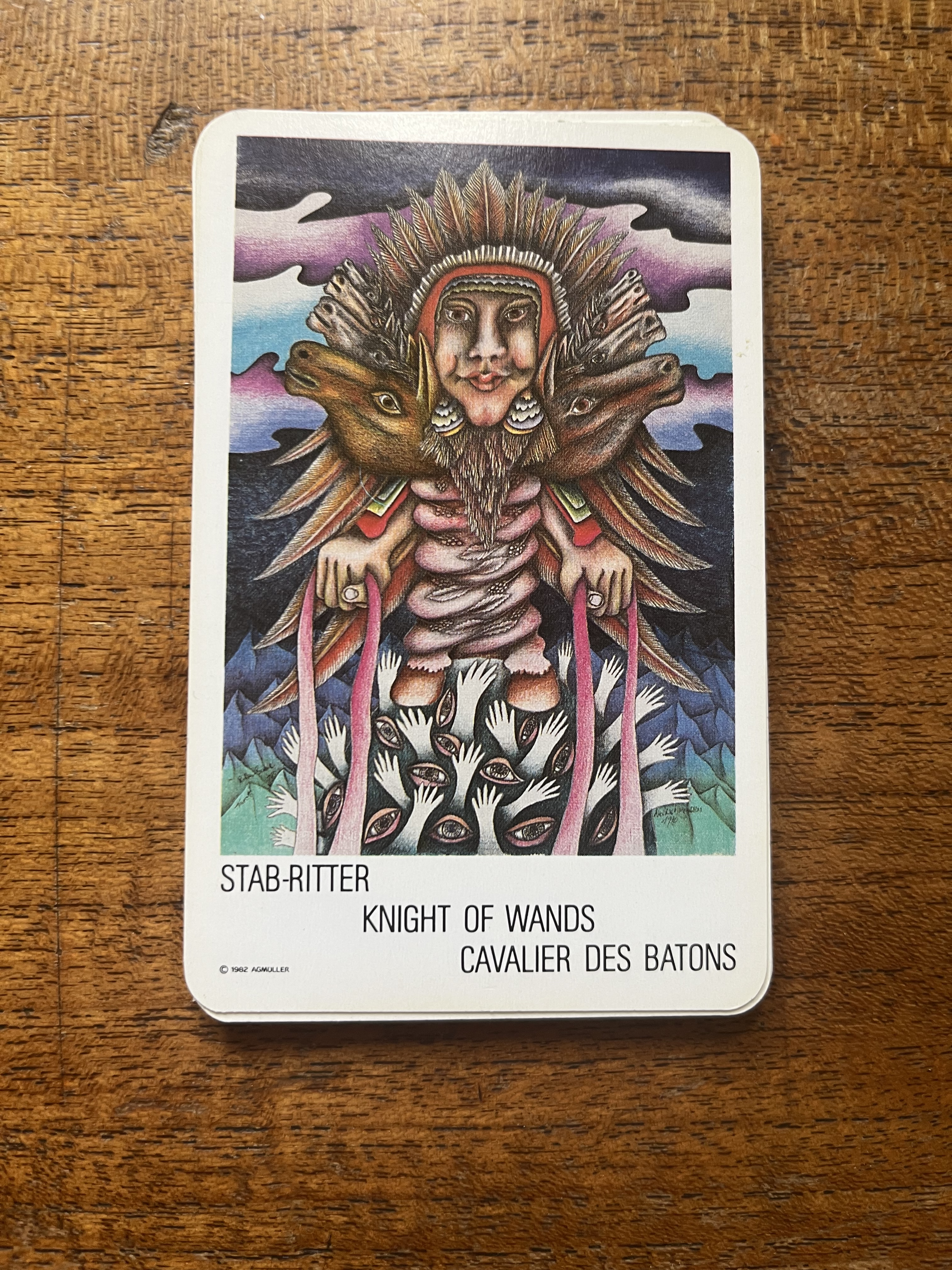
To avoid jail and loss of income the Overseer, upon the advice of a man he insisted upon calling his Shaman, set up lodgings and identified me as his housekeeper. It bothered me not where he got this ingenious advice! This gave me a modicum of respectability and, because he had contacts in the ‘right places’ the only police that appeared were those requiring my services. Needless to say the real villains were as conniving as the rest of us but you won’t find much about their behaviours in the chronicles of the court.
While there is no question that my life from birth through to my early twenties was tumultuous you will be pleased to hear that within a short period of arriving in the colony my fortunes changed. I may not have had the benefit of loving parents to guide me and there were times when I despaired but I prevailed.
When they say that “what doesn’t break you makes you stronger” they are obviously thinking of people like me who, learned in the universities of orphanages, prison hulks and early colonial settlements.
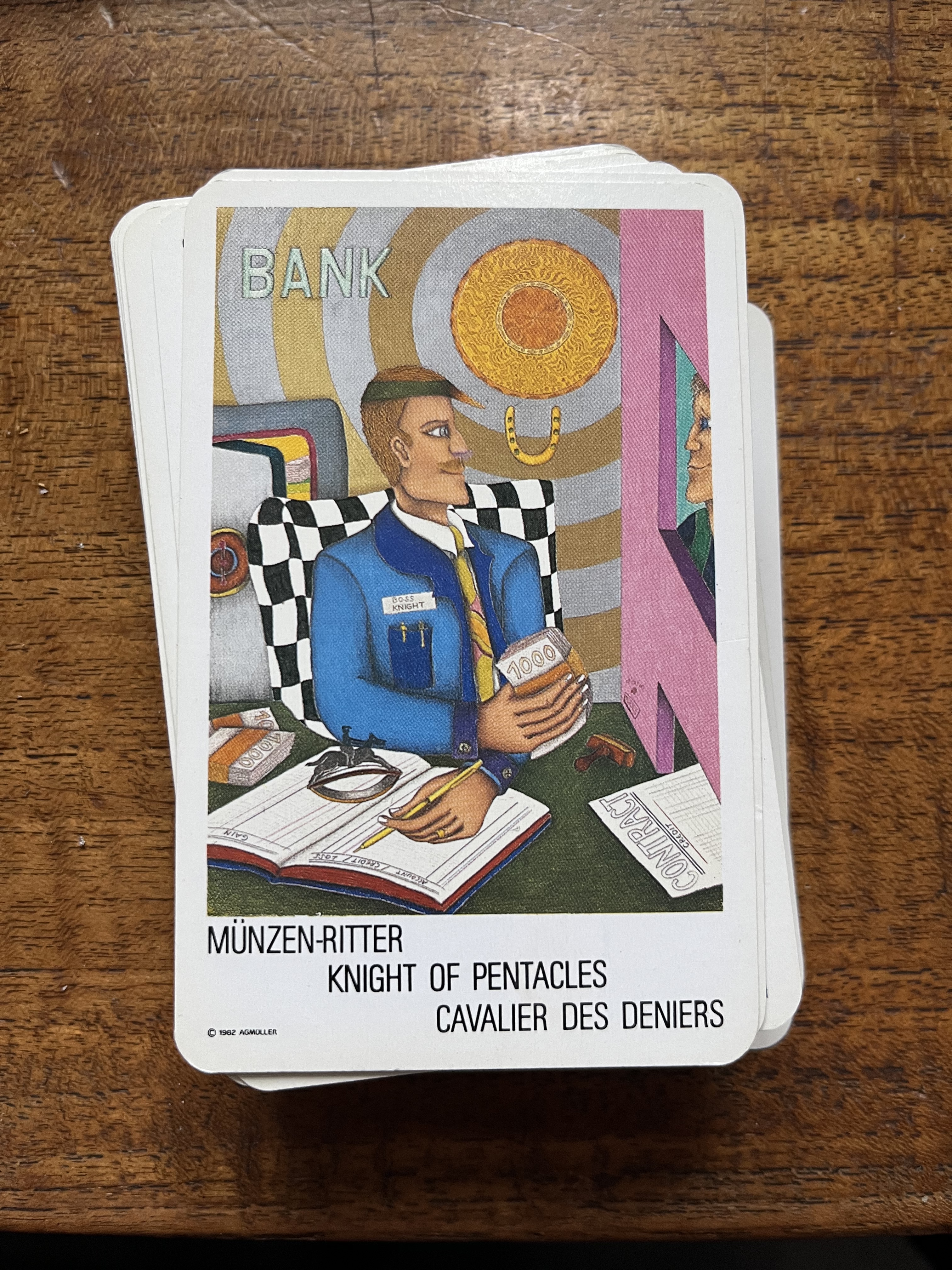
Australia has been called the lucky country, which given how it was settled, and the impact on those who were here first, is decidedly ironic. While I did feel the power of the beautiful Southern Cross who I watched each night, I’m not a subscriber to the notion of Lady Luck having much to do with how the great wheel turns. In my experience the only way of manifesting and transforming dreams into reality is by taking action every day.
Maybe I was what they refer to as a ‘big picture person’ for, within months of settling as the Overseer’s housekeeper, I saw potential. It quickly became very evident that, rather than taking advantage of downtrodden miners who had little success and were riddled with mental health issues, my target was the so called ‘respectables’. This group included lawyers, constabulary, court officials, would be entrepreneurs, robed church men, journalists and so the list goes on. I had no qualms about banking information and gold from this nefarious, entitled lot who never seemed to face judgement for their hypocrisy and sense of entitlement.
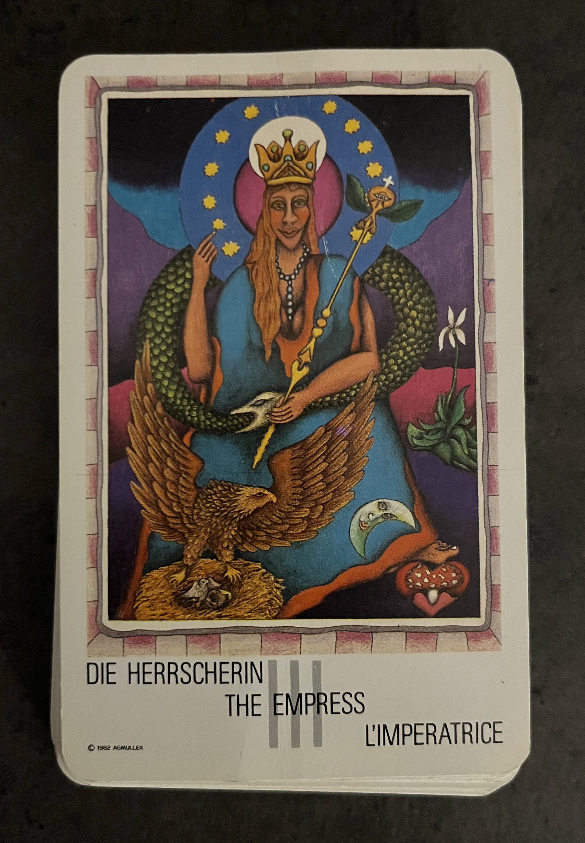
It was not unusual for a sex worker like me to reinvent themselves and recast themselves as what known in Europe as a Courtesan. I knew that courtesans were well-dressed, intelligent, talented in music and writing, and provided company as well as sexual gratification. They were a convenient way for men of substance or position to enjoy sex without being involved with a woman of a lower class. So courtesans were, in a way, if not respected, a class of their own.
It goes without saying that I did not have anyone to teach me the ways of a courtesan but I was a quick learner. I learned all I needed to know from watching the rise of Lola Montez when she came to Castlemaine. Born in Ireland, Lola was a close friend, confidante and sexual companion to rich and powerful men. Despite being Irish she became a ‘Spanish dancer’ and was particularly famed for her Spider Dance, during which she flashed her underpants (called pantelletes), and maybe even the body parts beneath them. For men living on a goldfield where there were very few women, the naughty Lola, dressed in all her finery, was a subject of great interest.
Once transformed and bejewelled, known in the region as the Empress, I was able to charge high prices for my services could afford to live in great splendour, establishing a place of my own where I could entertain clients. Their wealth also meant that I could afford expensive clothing, food and other luxuries sent from the booming Marvellous Melbourne. Suddenly I was able engage the services of those who could help me to cut the strings that tied me to the overbearing Overseer and be a master of my own destiny.
Of course, this is no fairy tale. There was no happy ever after scenarios! We all know that the great wheel has a way of turning and after reaching my zenith I faced what might seem like an inevitable decline in both health and fortune. You see, while being a courtesan provided me with relative independence – offering the opportunity to be financially autonomous and have control of my life, the long-term consequences of being a sex worker eventually overshadowed these relatively short-term luxuries. A courtesan may evade the threats of death during childbirth and manage to live to an old age, but her career is inevitably short lived because of the brutal truth that clients are only interested in youthful women.
As for me! My body was like the crumbling Tower of Babel. It was bad enough that my body was changed by years of poor diet and unwanted pregnancies, but it was syphilis that ended my trade and my life. Suffice to say I was no Karen Blixen who despite the affliction went on to live a rich creative life, in luxury, supported by her mother. I was dead within a relatively short time and there is little, apart from this letter, to remember me by.
 Wild Mother Calling