What good is sitting
Alone in your room?
Come hear the music play
Life is a cabaret, old chum
Come to the cabaret
Expressionist exotic dancer and actress in German silent movies, Anita Berber epitomised for many the decadence of Weimar-era Berlin (1918-1933). However, recent scholars have re-evaluated her as an icon of unfettered sexuality and a precursor of modern-day performance artists.
Source: Ruth M Pettis
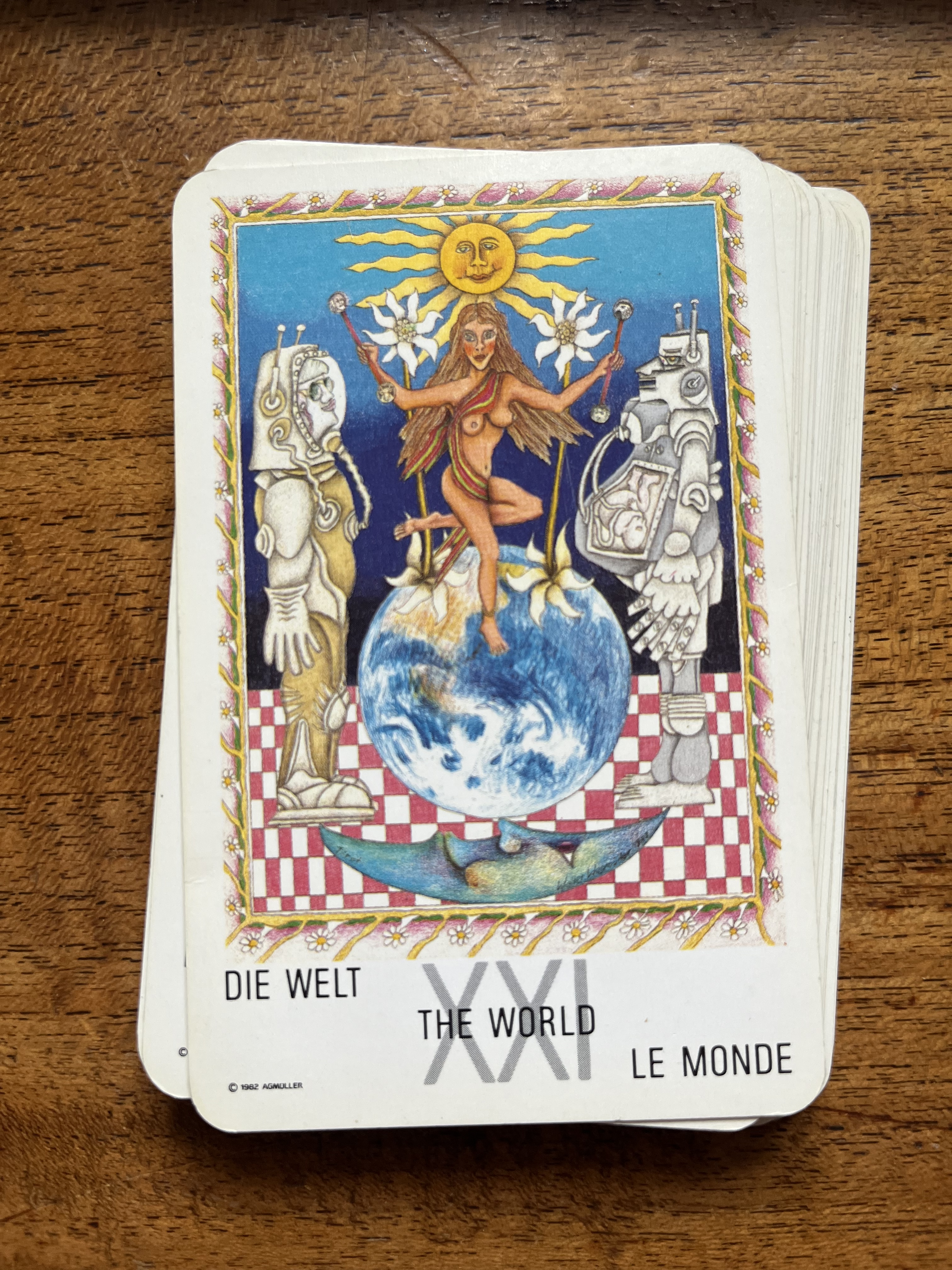
This image of the World depicting a naked woman, guarded by robots, shamelessly flaunting her body, bought back memories of heady days in the Weimer Republic, working alongside the unbelievably talented love of my life, Anita Berber, the woman who was even deemed too scandalous for Berlin.
From the end of World War 1 until the Nazi party gained a strong hold on Germany, life in Berlin was very exhilarating. “Weimar Republic” was the name given to the German government between the end of the Imperial period (1918) and the beginning of Nazi Germany (1933). The constitution drawn up in 1919 guaranteed every German the right to ‘express his opinion freely in word, writing, print, picture or in any other manner. German artists, many of whom had been exposed to modernist movements in France, Italy and America, rushed to find forms that could reflect the tumultuous realities that surrounded them.
It is no exaggeration to say that during the Weimar years, Germany was the most exciting place in Europe to be. Despite the economic instability it really was a time of unprecedented artistic creativity. The art world embraced Expressionism and huge changes took place in the world of dance and cabaret. There can be no doubt that this period provided a window of opportunity for an extravagant creative spirit like Berber
I was a double for this utterly scandalous, depraved, androgynous, woman. Our shows caused a sensation and I drank in the notoriety, revelled in being a pivotal member of her vibrant art circle, which included luminaries such as Sebastian Droste and expressionist painter Otto Dix, who, haunted by his experiences as a machine-gunner during the First World War, channelled his energies into sardonic and often ghoulish depictions of Berlin and, famously, of Anita.
On stage, dressed in exotic costumes, Anita’s flamboyant, erotic performances, literally dragged a howling spirit of revelation into the room.
Nudity was very important in all of Anita’s work. Her eroticism in dance was invariably linked to death, destruction and the grotesqueness of life. Our costumes and dances broke all social taboos. We were infused with duende that daemon, hobgoblin, mischief maker, guardian of the mysterious, the dark spirit of creativity. We sought to engage in the perilous yet necessary struggle to inhabit ourselves—our real selves, the ones we barely recognise, as completely as possible. It was this raw power that took her great work to a previously unseen level and helped her become identified as the High Priestess of debauchery.
Anita was obsessed with the macabre. We unashamedly challenged laws against homosexuality. Perhaps Berber, like so many, sensed the storm clouds gathering and had a premonition of the pure evil that was coming.
If Anita’s onstage performances created waves, unquestionably, it was our private life that was deemed to be totally degenerate. There is no doubt that it was our uninhibited public displays that the public found most confronting. When Anita walked around naked wearing only a fur coat, with her pet monkey draped around her neck, she certainly turned more than one head. Or was that actually me flaunting what an outstanding double I was? Berber’s cocaine addiction and bisexuality were also matters of public chatter and to cap it off, aside from mingling with artistic luminaries, we also mixed with a rough crowd of prostitutes, boxers, gay and members of underworld sub cultures.

We sensed but never really understood that at this particular time in history we were literally dancing on the edge of a volcano. This world – golden or otherwise – was not to last long. With the rise of fascism clubs and theatres were shut down and books were burned on the streets of Berlin. Experimental art was held up to public ridicule and fierce campaigns were launched against feminism, jazz and modern architecture.
At least we had gone by then, shuffled off to be reincarnated and start over. Like Berber I eventually died surrounded by syringes. The truth is I had contracted tuberculosis and by just 33 was laid low with other nasty, unmentionable ailments. Who wants to die like that? Not me! Needless to say my wealthy, aristocratic family had long since disassociated themselves from me. I was buried in a pauper’s grave but at least I had, if briefly, a memorable time in the sun!
 Wild Mother Calling