
I struggle to be precise! My recollections of past lives are certainly not linear but at some time after I took my life in that dingy attic room in the old Vienna Inn I recall being in swagman in colonial Australia. It was after I’d fallen on more hard times and had no regular employment.
Suicide wasn’t an option and I still needed to give voice to unwritten poems that captured the lifestyle of a wanderer. So I hit the road favouring locals in shearing sheds and outback hotels with my poems and ballads. I sat around campfires telling tall tales and sharing poetry about the country and my yearnings. The folk I met were generous souls who, in return, kept me well fed and watered.
Stories passed down through the bush telegraph reached men like Banjo Patterson, who yearned to leave his office job and wander the great outdoors like me. I like to think that my lifestyle led to cultural icons like Clancy of the Overflow emerging from his pen.
If you are feeling even slightly tied down do yourself a favour and read about Clancy and the Swaggie of Walzing Matilda fame. Like me you may be drawn to build on a cultural heritage, tramp back roads and follow stock routes, visit some of the big Australian cattle stations and sit with a beer, chilled in a billabong.
A Favourite Story
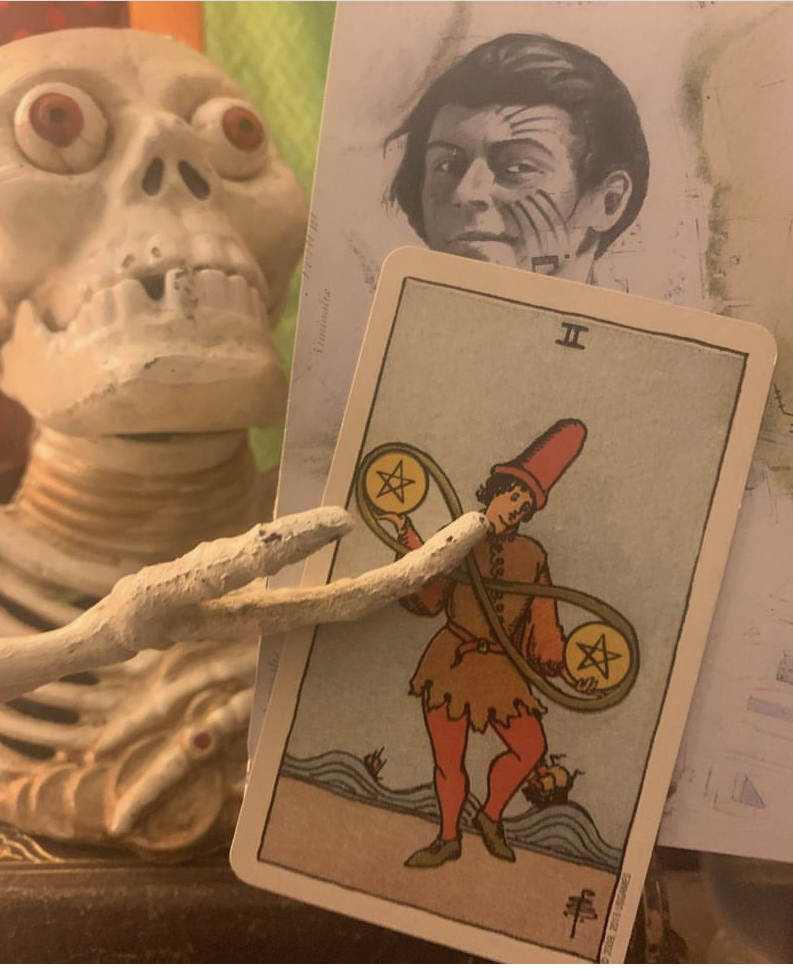
A story I like to tell, to anyone prepared to listen, is of the time when I had laid down my swag and was working, was helping them muster on Dagwood Station in a remote part of Queensland. Unlike the swagman in Walzing Matilda I was not a thief but regularly searched for honest work.
Things had been going smoothly despite the battle with extreme heat, the endless flies and hoards of mosquitoes that had no trouble penetrating our basic sleeping quarters.
It was on one particularly hot night that I was overcome with the need to move on. It was as though I was being called to go further west.
I rose from my bunk, quietly packed my bluey and left without so much as a note written with my thumbnail dipped in tar. The biggest decision I had to make was which way to go.
As the moon shone, lighting a path, I followed the Cooper and, as the sun began to rise, I glimpsed a waft of smoke in the distance. I determined to head towards it in the hope of finding a squatters home and a place to stop. But as I reached the top of the rise I could see that the smoke was coming from a small grass fire and a woman and a child were frantically trying to put it out with nothing more than hessian bags.
Given the proximity of this fire to her small bush hut I literally ran to assist. As we worked great drops of sooty perspiration stood out on our foreheads and ran in streaks down our blackened arms. By the grace of God we mastered the flames and saved her home.
Over a cold drink I learned that Evelyn’s husband was away droving and she had no idea when he’d be back. Even for a bush woman as resilient as her life alone, in such an isolated spot, with two children was clearly a daily battle. Her trials would make a memorable story.
I stayed for many months to help and be present when other less honourable sundowners appeared. I don’t know when her husband returned, or how long they stayed out there, for one night I was suddenly awoken and knew I had to pack my bluey and quietly slip away.
Note: a nod to Lawson’s ‘The Drovers Wife’
King of Cups
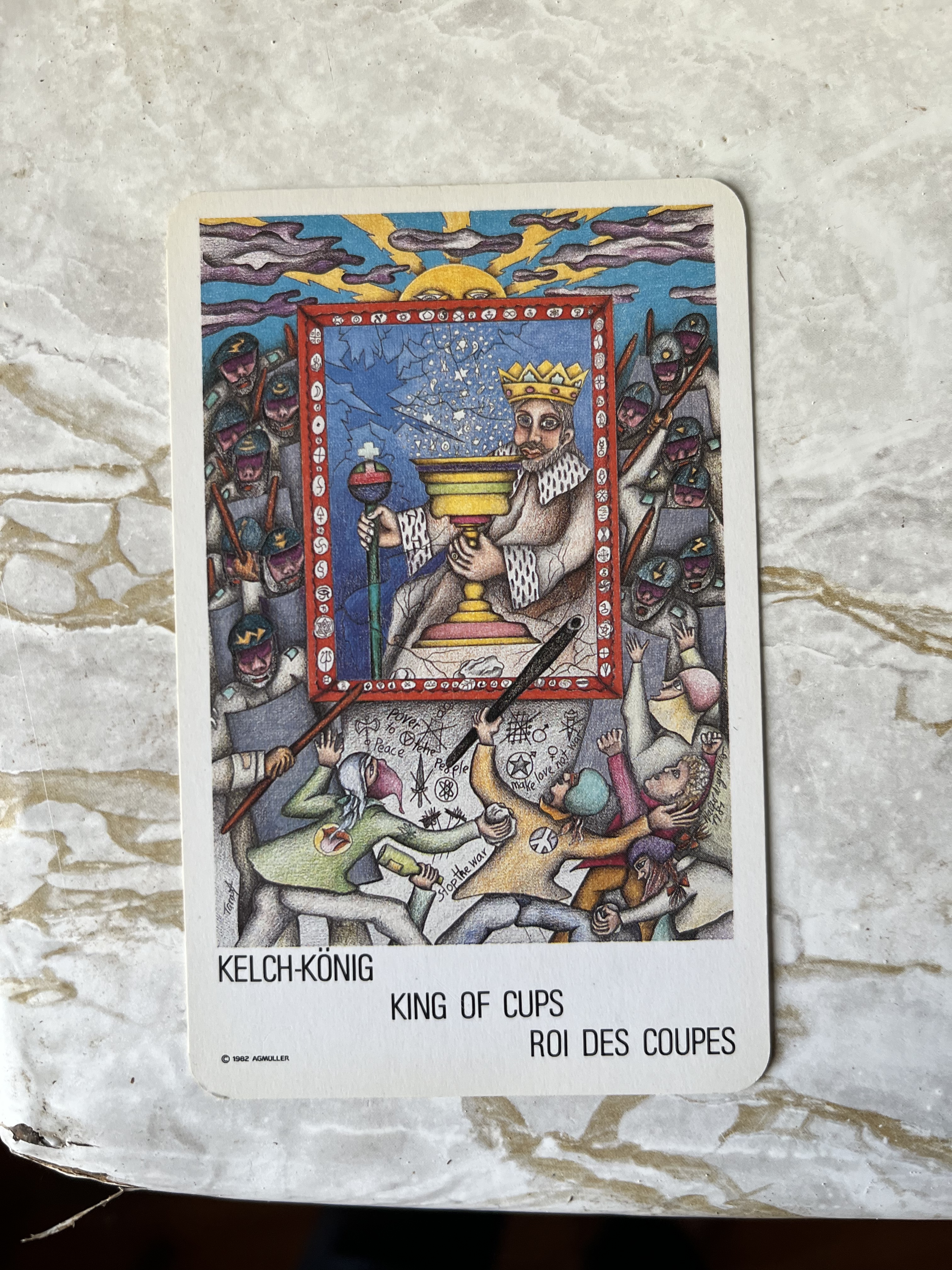
Did I tell you about the time they called me, among other things ‘you little beauty’ and our ‘King of Cups’?
It was during my days wandering from sheep station to cattle station in colonial Australia. It was at the time when they said that ‘Australia rode on the sheep’s back’.
Now I took pride in the fact that I could turn my hand to almost anything. When you are a down on your luck, living as a wandering swaggie, with just a few precious things in your Bluey, you need to be nimble, adaptive, a Jack of all trades. Rarely are you a master of any.
I was headed for Baldwin Station, a property reputed to cover more than a million hectares. The squatter, as of iconic Waltzing Matilda fame, had occupied a vast tract of ‘unoccupied’ land in order to graze his livestock. He and others like him not only contributed to the growth of the wool industry but became part of a very powerful social class. But that and the so called unoccupied land is stuff for another yarn.
When I arrived the place was in chaos. Old Herbert, the Squatter, was in Adelaide on urgent business and the cook, a giant of a roustabout had just suffered a traumatic injury to his head after a drunken altercation with a ram. Apparently they were not sure whether he, unlike the ram who was as feisty as ever, would recover.
‘Can you rustle up a meal?’ were the only words I was greeted with when the harried station manager met me on the track approaching the homestead.
Now I have been known to produce feeds for hungry sailors at sea but feeding men who worked so hard terrified me. I maintained a poker face and simply said ‘of course! Take me to the kitchen”.
The End of the Track

On a lazy summer afternoon a vintage kettle and I sat chatting, sharing stories, on the deck of my current residence. I snatched the opportunity to reveal some of my life story that few, apart from Evelyn, the Drovers wife, knew. Even she could not have imagined my demise.
Some would say I was dragged up, rather than bought up and many thought I had a cast iron constitution. I was orphaned at an early age and sent to sea at just eight years of age. In the hard school of knocks only the tough survive. I had little time for fools.
I went on long voyages to Africa, the Indies and China and spent time as a ship carpenter, which proved useful when I worked in wool sheds and stockyards and helped the Drovers wife.
I’d been wandering for near on 40 years when I had the opportunity to join the crew on a boat returning South Seas Islanders after working in Queensland sugar cane fields. It felt good to be at sea again, to feel the salt on my skin, to be amongst sailors again and to be welcomed by islanders.
So when we approached an island and the chief gave all the signals that told us they wanted to trade yams and other goods we welcomed the opportunity. No one suspected a decoy until it was too late.
It became very evident that white men were the chief objects of vengeance, as the first shots they fired were arrows at the eyes of both myself and the first mate. A bone spearhead lodged itself in my right shoulder.
We made it back to the boat and the doctor extracted the arrow heads. Initially we thought it had been a lucky escape and that we would recover, but my sailing days and life was over for those arrows were filled with poison.
The irony of death by poison never eluded me! Within five days we were riddled with tetanus. I was reconciled to my fate and to being buried at sea.
The kettle was visibly shocked but admired the fatalistic attitude I have maintained through all my lives. It dryly commented that it would take more than an arrow to dispose of me now.
 Wild Mother Calling